A closer look at how connected platforms fuel personalization, consistency, and real growth
One of the most common threads we hear from restaurant CMOs is this: “We know our brand. We know what our guests want. But we’re held back—not by strategy, but by the systems behind it.”
Today’s restaurant marketer is expected to do more than drive traffic. They’re asked to shape the guest journey—from the first click to the last bite—and build lasting brand affinity along the way. That means launching creative campaigns, delivering personalization at scale, proving ROI, and doing it all across every channel and location.
But even the strongest brand strategy can fall flat without the tech infrastructure to back it up.
The Hidden Costs of Disconnected Tools
In our work with marketing leaders across the restaurant space, we’ve seen the same bottlenecks emerge over and over again. Disconnected tools. Fragmented data. Limited visibility. Ideas that stall in development. Campaigns that underdeliver—not because they weren’t great ideas, but because the systems made execution difficult or disjointed.
Guest expectations, of course, haven’t slowed down. They want convenience, speed, relevance. They expect their favorite brands to know them—on the app, in the store, through the loyalty program. They want to be recognized, not just reached.
Data Delays and the Downstream Effect
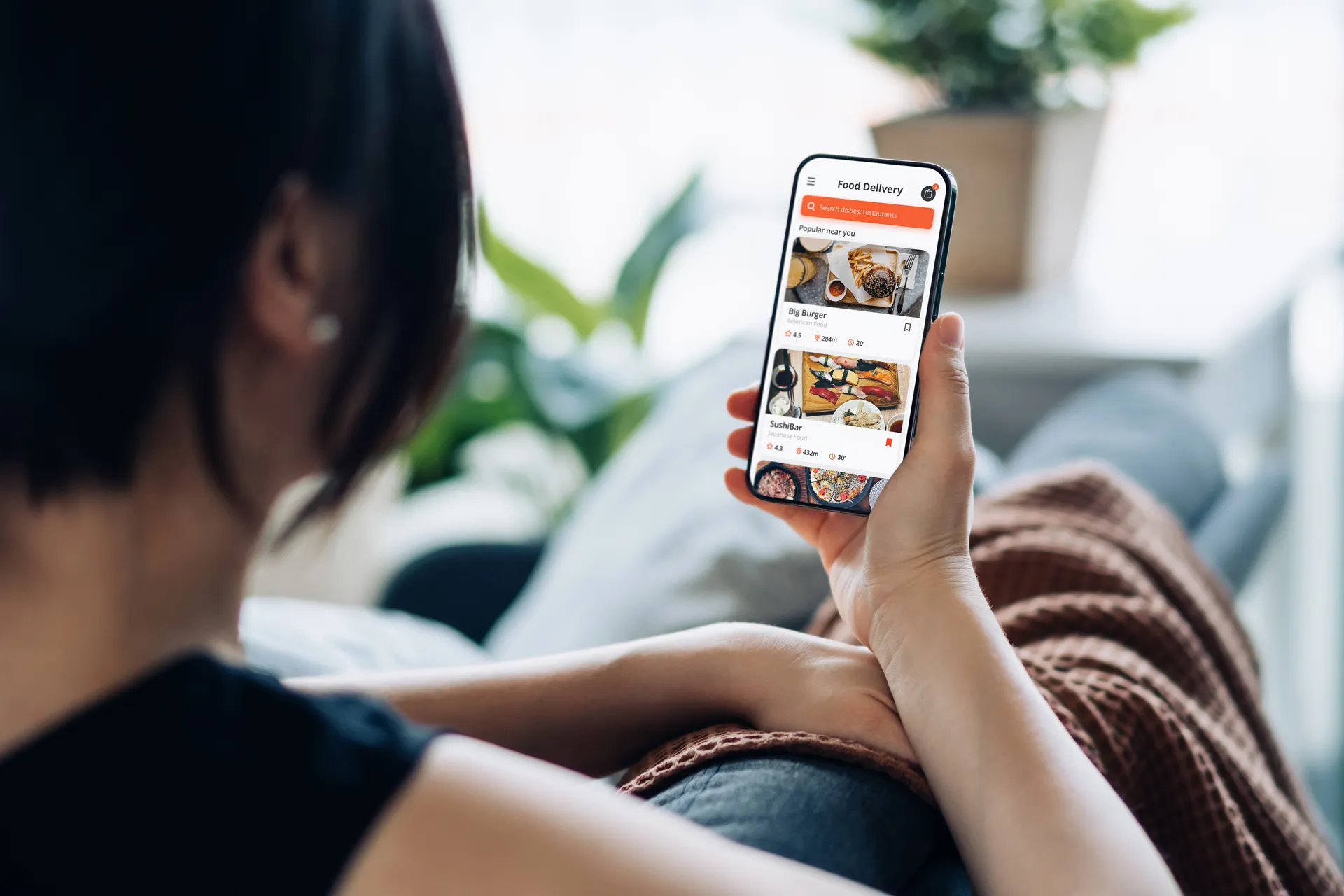
This is where the cracks in the stack start to show. We’ve seen brands struggle to connect data across POS, loyalty, third-party delivery, and digital ordering. Often, this forces teams to spend more time chasing insights than acting on them. By the time the performance report comes together, the campaign moment has passed.
When platforms aren’t integrated, personalization becomes a guessing game. Campaigns rely on broad segments rather than real behavior. And that’s not just inefficient—it’s ineffective. Guests can tell the difference between a message meant for them and a generic one-size-fits-all promo.
Brand Experience Hinges on Consistency
Brand consistency takes a hit, too. Whether a guest is browsing a mobile menu, ordering at a kiosk, or visiting a flagship store, they expect the same voice, value, and experience. But when systems vary across channels or locations, inconsistency creeps in. A promotion runs in one place and not another. A loyalty reward triggers in the app but not in-store. These may seem like minor glitches—but to a guest, they erode trust.
The Attribution Gap
And then there’s measurement. If attribution lives in five different dashboards, it’s nearly impossible to see what’s working. Marketing teams are forced to cobble together results, manually tying spend to outcomes with a mix of spreadsheets, estimates, and hindsight.
This is the reality for many of our clients when we first meet them: the creative team has great ideas. The CIO’s team is doing their best. But the tools in place just weren’t built to keep up with the pace and complexity of modern restaurant marketing.
Shifting to a Smarter Foundation
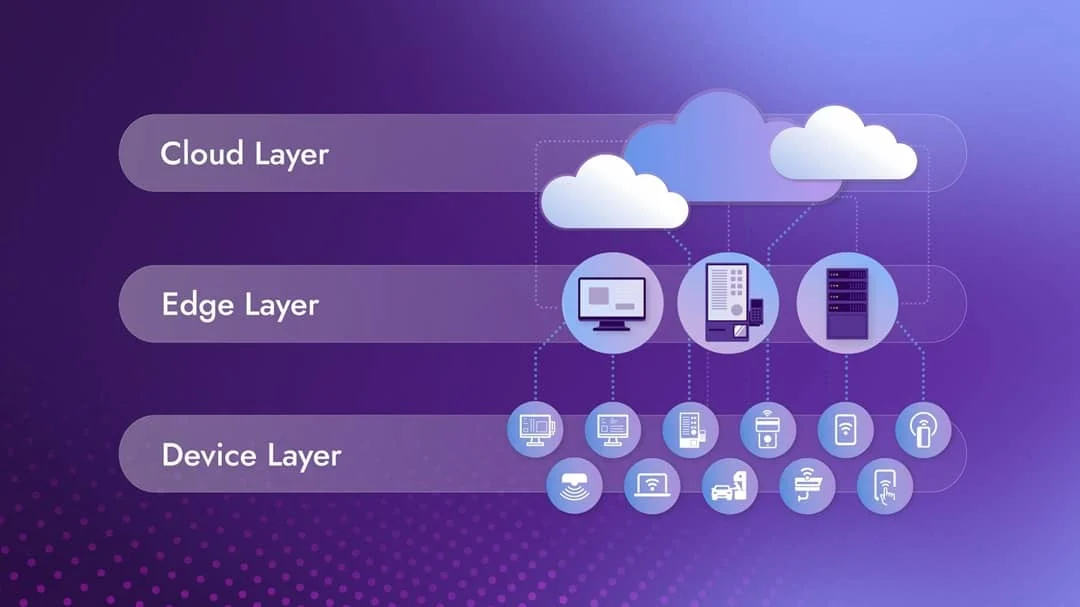
That’s why more brands are investing in connected commerce platforms—systems that unify data, streamline execution, and make personalization part of the workflow, not a separate initiative. When guest behavior is accessible in real time, campaigns become more nimble. Offers become more relevant. And results become easier to trust.
It’s not about having more tools. It’s about having the right foundation.
From Execution to Innovation
When marketing, commerce, and operations run on a shared platform, everything becomes easier to scale. New promotions don’t require custom builds. Loyalty and menu systems stay aligned. Analytics show not just what happened, but why. Teams spend less time managing tech—and more time creating moments that drive brand love and business results.
This shift isn’t hypothetical. We’ve seen it play out across clients—from large enterprise chains to emerging fast-casual concepts. What starts as a desire for better reporting or campaign agility often leads to a broader transformation. Suddenly, the marketing team isn’t just supporting growth—they’re accelerating it.
Moving at the Speed of Your Ideas
And the most exciting part? With the right platform, innovation doesn’t feel like a gamble. It feels like momentum.
Because when tech isn’t holding you back, your team can finally move at the speed of your ideas.
If that sounds like the kind of shift your brand needs, let’s talk. We’ve worked with marketers navigating these same challenges, and we’d be glad to share what we’ve learned. Sometimes the biggest breakthrough isn’t a new campaign—it’s building the foundation that lets every campaign perform better.
Share this post
Related blog articles
Even more expert insights into important retail and restaurant trends.
Beyond legacy bottlenecks: Unlocking faster technology development velocity for convenience and fuel retail
How convenience retailers can create seamless fuel-to-store experiences that keep customers coming back