Organization is king
Organization is paramount to running an efficient restaurant kitchen. Haphazardly cluttering the kitchen space with knives, cutting boards or mixing bowls not only slows down the cooking process, but can be a safety hazard, too. Fortunately, there are a few easy tips you can implement to see immediate improvements in your kitchen.
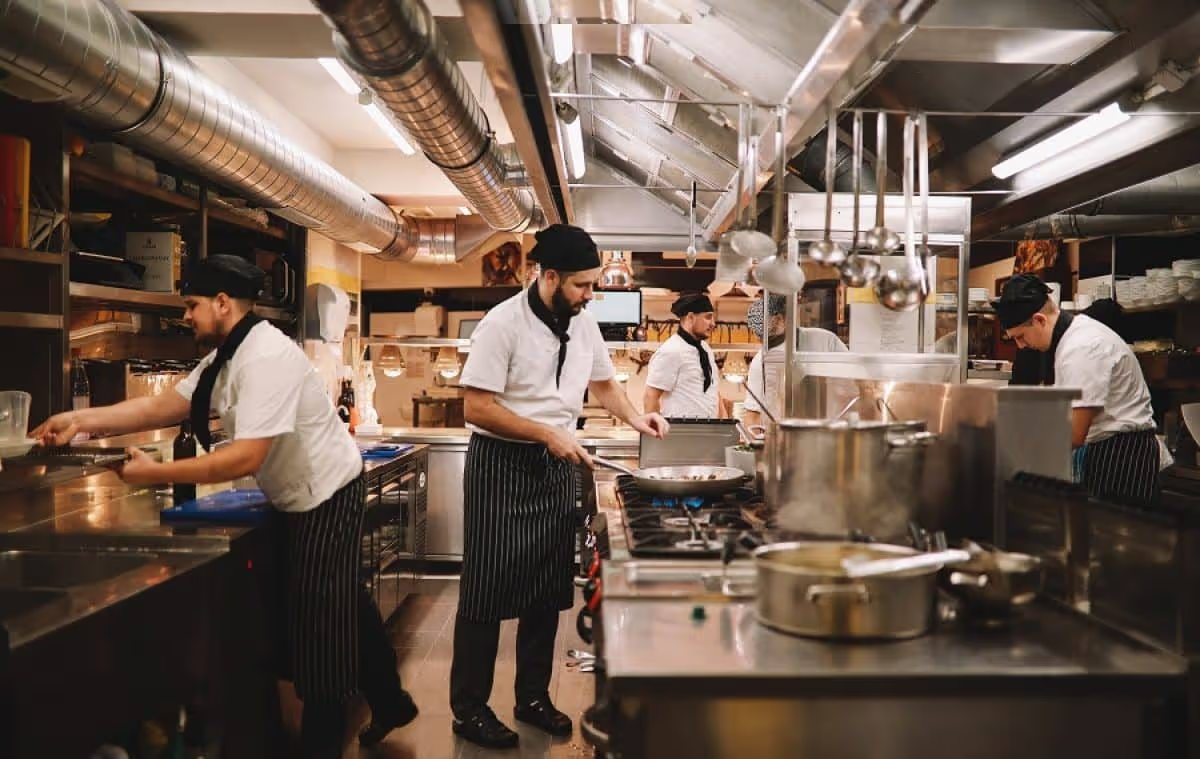
First, create a designated cooking zone and cleaning zone for each worker. We’ve established the need for numerous workers in the kitchen, so assigning them a proper work area helps prevent bottlenecks and cross-contamination of food.
Next, train employees to clean as they go. It’s an easy way to prevent slowdowns and limit potential accidents caused by clutter. A clean kitchen is an efficient one.
Finally, assign prep work to a trusted employee. This can be a great way to gain early efficiencies during a given shift. Of course, it’s important to preserve the freshness of ingredients, but where it’s possible to front-load some of the food preparation to save time, kitchens will benefit from a more streamlined process throughout the day.

It’s often said that the kitchen is the heart of the home. It’s also the heart of any restaurant. And if the heart isn’t functioning properly, there can be major implications for the rest of the body.
A commitment to continuous improvement is key to running an efficient kitchen. Restaurants should strive to balance workforce performance, organization, inventory management and employee feedback. When they do, the result is a kitchen that delivers timely, accurate, delicious orders to customers.
Prioritize recruiting top talent
People often associate efficiency with new technology and streamlined processes. However, restaurant kitchen efficiency also depends on hiring the right people.
Investing in a respected professional chef or kitchen lead will affect the success of your entire restaurant. Not only should they be able to prepare excellent food—they should also be leaders in the kitchen, able to keep others on task and inspire fellow teammates.
In addition to high-quality chefs, restaurants should strive to sufficiently staff their kitchens with good sous chefs, prep workers, cleaners, food runners, etc. When everyone has a cooking station and a task, the kitchen is able to process orders faster and more efficiently.
It’s important to remember that investing in great talent is not enough to drive efficiency. Restaurants should also spend time training their workers to establish good habits early and solidify efficient processes.
Be diligent about inventory management
You can’t serve food if you don’t have the ingredients to make it with. A well-stocked kitchen space is more efficient and saves you the embarrassment of having to tell a customer you can’t serve certain menu items. Tracking orders that come in and monitoring inventory as it’s used is a tedious job for a kitchen manager. However, it’s one of the most crucial responsibilities in any kitchen. Work with your chefs to determine the ingredients needed to prepare certain dishes for an entire week, and try to double dip where you can. Menu planning is a great way to increase your kitchen’s efficiency. These days, it’s worth investing in a modern POS software with inventory management capabilities that can help streamline your operations.
Refine your menu
The larger the menu your restaurant offers, the more ingredients and staff you’ll have to maintain to support a wide variety of orders. Take this as an opportunity to be thoughtful about what you want to serve. Utilize your restaurant POS software to analyze and track your most popular food items and prioritize those.
It might also be helpful to select menu options that have overlapping ingredients. This makes it easier to track and replenish your inventory before you run out of items. A smaller menu also makes training and managing your staff easier, because there are fewer recipes for them to learn. This enables them to be more efficient.
Streamlining your inventory of ingredients and narrowing down your recipes helps prevent food waste, allows for more specialized training of your employees and cuts down on inventory issues. All of these elements contribute to increased efficiency in your restaurant kitchen.
Juan Fernando at La Parilla talked about the restaurant’s approach to narrowing the menu in an attempt to drive efficiencies.
“When we were hit with too many orders, we created family packages because it was difficult when someone was calling in an order for eight people to individually prepare every single order. Right now, we’re about to open a new location and we’re going to test this restaurant with a smaller menu.”
Listen to your employees
The restaurant business is not for the faint of heart; it’s often marked by periods of high stress and tense emotions.
As a restaurant manager, be sure to listen to your staff and chefs. When emotions are running high, it can be challenging for your team to stick to their efficient protocols. During these times, it’s important that the restaurant manager is an active participant, seeking to resolve potential issues or bottlenecks as soon as possible.
More than listening to staff, restaurant managers should create opportunities to incorporate forward-looking employee feedback.
For example, if one of your chefs has an idea for a new kitchen layout, consider it. The individuals actually doing the work in your kitchen likely have the best insight on where operations can be improved. Feedback might be the most valuable tool for improving efficiencies in your kitchen.
Running an efficient kitchen is critical to leading a successful restaurant enterprise. Many moving pieces contribute to the process of running a restaurant kitchen, but focusing on a few high-impact areas can have a major impact on your efficiency.
Prioritize hiring good talent and train them well to prevent future slowdowns. Spend time designing an organized workspace for your kitchen staff and invest in detailed inventory management. Take a look at your menu to see where you can “trim the fat” and streamline your orders. And finally, listen to the people that are closest to the kitchen—they know the keys to making it run smoothly.
Employ some of these tactics and you’re sure to see improvements in your restaurant.
Share this post
Related blog articles
Even more expert insights into important retail and restaurant trends.

Convenience retail moves at the speed of culture. Can your technology keep up?


Why Compliance and Age Verification Are the Next Frontier of Frictionless Commerce

Retail Innovation Shouldn't Require Reinvention